Articles
5 min read
Data Strategy for IT Managers and CIOs: How to Cut Costs, Tame Shadow IT & Deliver World Class Repors?
Published on
February 12, 2026

You're not alone. In many mid-sized companies the business intelligence strategy is a bit of a patchwork, to say the least. The marketing team is using its own tool, sales has signed up for a dodgy Power BI trial, and finance is still begging you to fix up a messy integration that fell apart when the consultant who built it and left two years ago.
It’s all too common for organisations and business units to struggle with duplicated data, fragmented existing data, and poor data quality due to the lack of a unified data strategy - which means data often ends up in silos and causes inefficiencies across departments.
Dealing with this mess isn’t just a headache, it’s a security nightmare that blows a big hole in the budget. A comprehensive data strategy acts as a roadmap to improve data literacy, streamline data integration, and standardise data cleaning processes across all business units. Data integration and data cleaning are crucial steps in getting existing data ready for analysis, ensuring data quality and accuracy. On top of that, effective data management secures your data by limiting access to those who need it - and opens up new business and monetisation opportunities based on customer needs. Modern data strategies leverage data science, machine learning, and artificial intelligence to extract insights from large volumes of data and drive business value.
Most organisations start by getting to grips with descriptive and diagnostic analytics - just trying to understand what happened and why - and a well thought-out data strategy helps them progress to more advanced predictive analytics, and make decisions based on what’s coming next rather than what’s just happened. Enough of firefighting already - let’s get toa managed, scalable infrastructure that actually lets you breathe a sigh of relief.
The global business intelligence market is projected toreach USD 56.28 billion by 2030, driven by increased data generation and demand for real-time insights. This growth highlights the increasing importance of effective data strategies for organisations seeking to stay competitive.

The dream was simple: to give a Power BI licence to everyone who really needs it and let them get on with it.
Reality? It’s like trying to herd cats.
As we’ve said throughout this blog series, Power BI on its own is like a powerful engine sitting in a garage with no wheels on. Power BI is a pretty great platform for self-service and enterprise business intelligence - but without a proper framework, it’s just not going to get you where you need to go. And even then, you’ve got to build and manage a custom data warehouse, cobble together some dodgy integrations, and somehow manage(and pay!) all the various licences - on top of managing data storage, data processing, and dealing with big data, data lakes and models.
Effective data management and a solid data strategy really empower IT managers to make informed decisions and take action on their own. Business analysts rely on robust data management and governance to ensure data integrity and support critical decision-making. These practices are critical for maintaining accuracy, consistency, and trustworthiness of information throughout the organization. IT managers must determine the best course of action based on reliable data. By dealing with data security, regulatory compliance, and having a clear roadmap for data usage, these practices cut risks and increase efficiency across the organisation. Business intelligence tools are essential for organizations looking to understand trends and identify patterns in their data.
One of the biggest challenges for IT managers and CIOs right now isn’t digging through a single system, but rather the growing complexity of identity and access management.
As organisations collaborate more with external partners, board members and vendors, access gets handed out quickly just to keep things moving. Over time, identities just pile up across the IAM landscape - some actively used, others quietly left to gather dust.
Before you know it, you’re noticing more and more accounts turning into unused but still active access paths, adding to operational burden and security risk.
Next thing you know, your ID management is a complete mess with “ghost users” who haven’t logged in in six months but are still a potential entry point for a breach. Managing all those user roles and permissions becomes a full-time job that adds zero value to the bottom line.
Data governance and a clear data strategy are key to managing user access, preventing data duplication, and keeping data quality in ID management. Master data management and metadata management play a crucial role in maintaining the accuracy and security of the organization's data by standardizing key business entities and ensuring data about data is well organized and governed. They help ensure only authorised users can access your data, reduce inefficiencies caused by duplicate or outdated accounts, and support accurate reporting and compliance. An effective data management plan should also address ethical considerations, compliance with regulatory standards, and long-term preservation to ensure responsible handling of your organization's data.
Your ID management should be a slick, well-oiled machine, not just a digital junk drawer in your kitchen that’s full of dead batteries and a load of instruction manuals for appliances you’ve long since thrown away- a well governed organisation ensures your directory data is accurate and secure.
Modern software solutions are essential for efficiently handling data from multiple data sources, ensuring scalability, security, and real-time analytics.
BI Book is a platform that puts all your Power BI reports in one safe, managed spot. It makes data integration and analysis a whole lot easier, allowing organisations to get their house in order with a solid data strategy that really does improve data literacy and efficiency. BI Book offers advanced analytics capabilities, including support for ad hoc analysis and tools to ensure high quality data, empowering users to perform predictive modeling and real-time data analysis. It doesn’t just support data visualisation- it helps users get their point across quickly and efficiently with key messages and insights.
BI Book enables users to understand data relationships, making it easier to visualize how different data elements connect, and treats data as a valuable resource that supports informed decision-making. Data scientists can leverage BI Book to work with data models and ensure data quality throughout the analytics process. BI Book is the finished vehicle that takes the maintenance burden off your shoulders and puts it onto a platform that’s designed to scale.

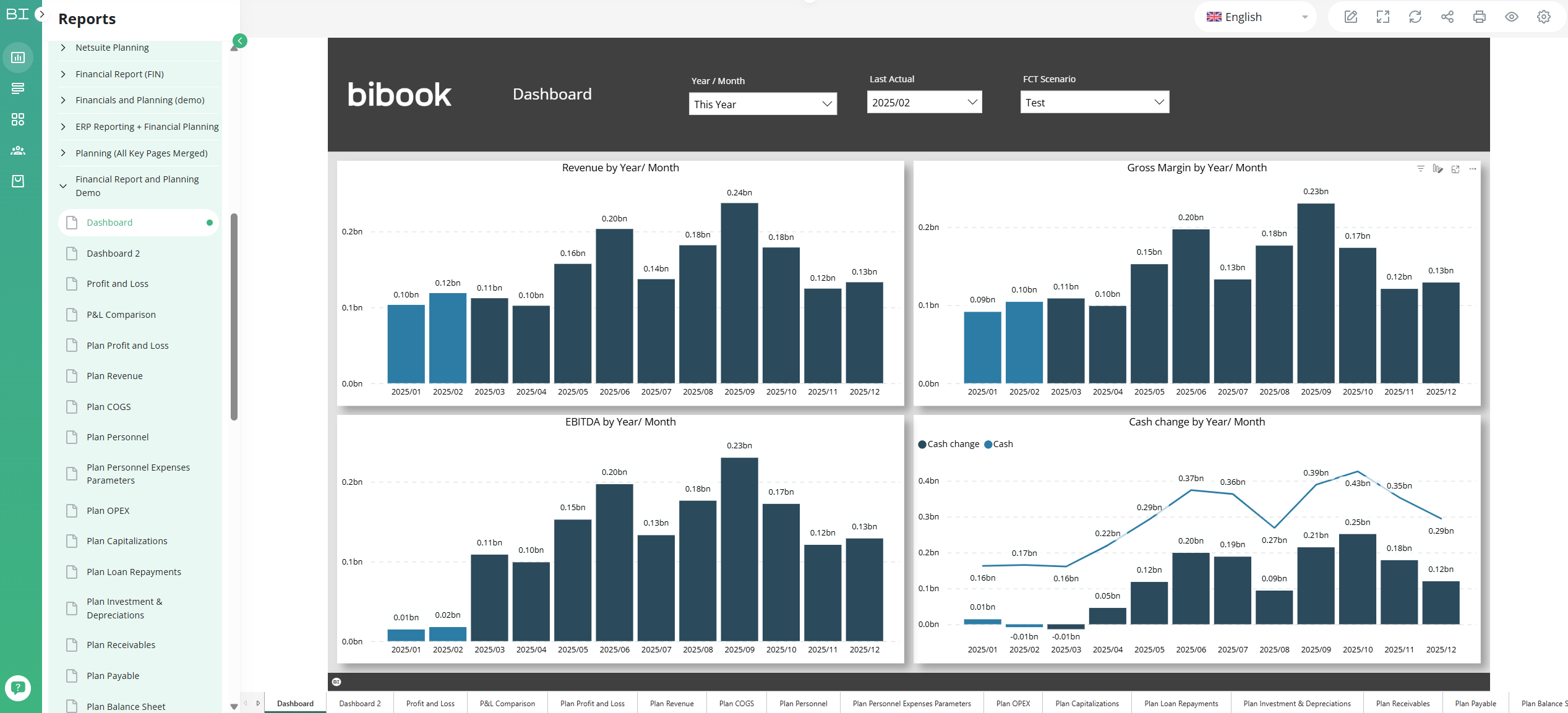
Implementing BI Book means you don’t have to worry about BI maintenance anymore.
We all need to keep BI running, but it shouldn’t be where your team spends most of their time. BI Book gives you a solid, ready-to-go analytics foundation so you can focus on what really matters: development, improvement and helping the business make better decisions.
A modern, scalable, and cloud-based data architecture — including data lakes, data warehouses, and data marts — ensures seamless integration and management of data from disparate sources, making it accessible and organized for all business units. Data marts, in particular, allow departments to isolate and analyze data relevant to their specific needs, supporting targeted decision-making.
With BI Book, IT managers can get insights from integrated data sources, driving informed decisions and actions across the organisation. That means your team can make evidence-based choices, improve processes and customer experience. Organisations that drive business strategy and customer experience with data and analytics tend to be more financially savvy.
BI Book’s advanced analytics capabilities leverage powerful tools and algorithms for data processing, visualization, and advanced analytics, turning raw data into actionable insights. Value capture mechanisms within BI Book help track and attribute financial impact directly to these insights, ensuring measurable business value. By reducing time to insight — the duration required to transform raw data into business intelligence — BI Book accelerates your ability to act on new opportunities.
You can give your organisation top-level analytics -including BI Book AI, the most advanced chat-with-your-data solution going - in days or even hours, not weeks or months. You transition from the person who fixes reports to the leader who enables data-driven growth.
An effective data strategy is vital for enabling data-driven decisions, increasing operational efficiency, ensuring compliance, and creating a competitive advantage. BI Book helps you achieve this by balancing both defensive and offensive tactics, so your organization can identify trends, innovate, and adapt to market changes.
We handle the updates, the security patches and the integration uptime - we’ve got you covered.
Get Ready to take your Power BI and Data Stack into the Future
Don't let your BI strategy be a jumble of different solutions that you have to piece together. Give your organisation a finished vehicle that is secure, cost-effective and easy to manage.
Book a demo of BI Book and see how you can free up resources and replace it with a solid, governed analytics platform that actually works in the real world and allows IT leadership and professionals toget back to improving the business.
BI Book | All the data. One easy-to-use data analytics platform.
We would love to hear from you. Contact us today!